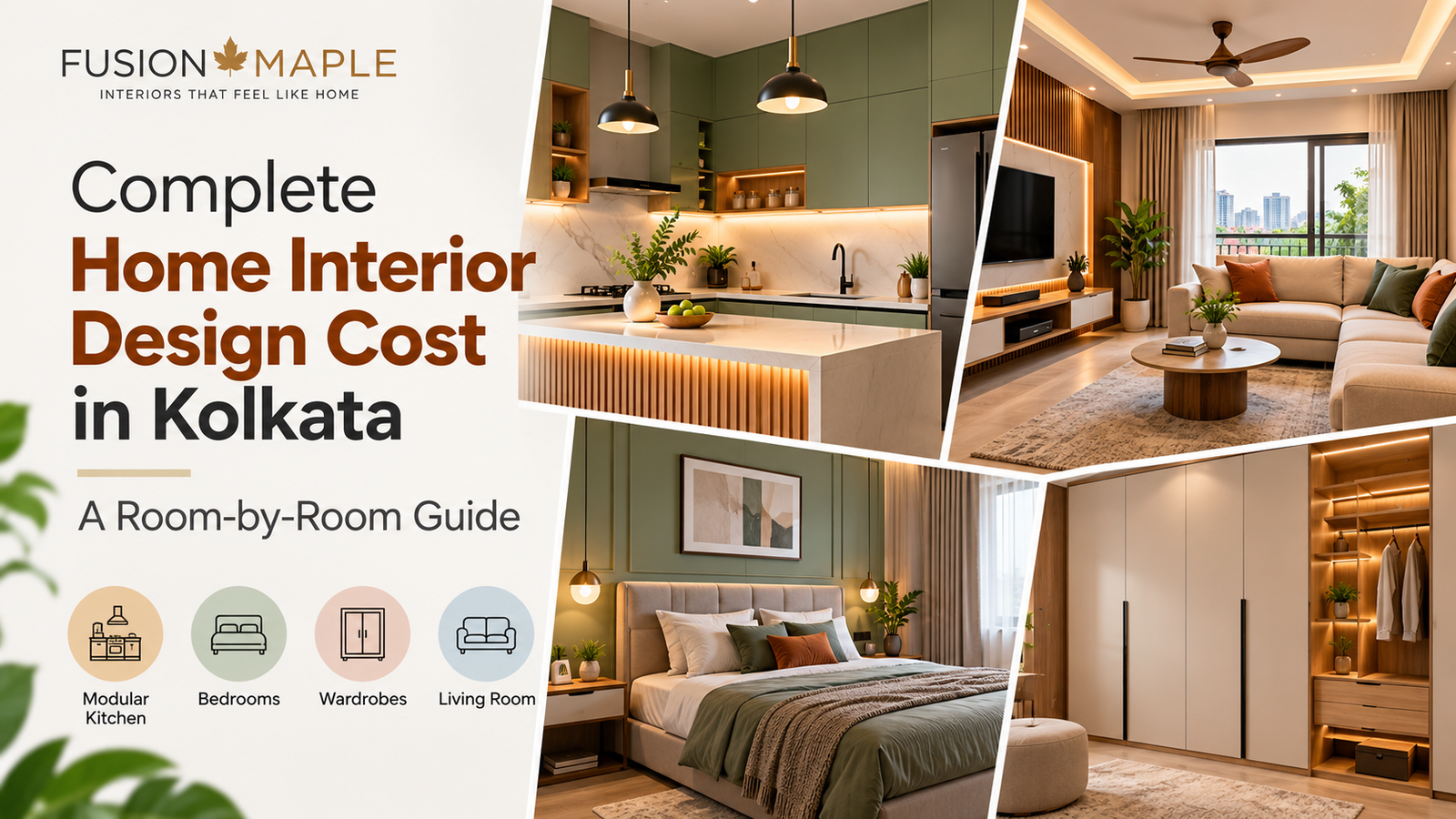
Designing your dream home is an exciting journey, but understanding the budget is often the first challenge. Whether you have purchased a new apartment or want to renovate your existing home, knowing how much interior design may cost can help you make better decisions.
The home interior design cost in Kolkata depends on several factors, including the size of your home, the materials you choose, the complexity of the design and the furniture and storage solutions you need. A compact two-bedroom apartment with a simple layout will have different requirements from a spacious three-bedroom home with premium finishes and customised furniture.
The good news is that you do not need an unlimited budget to create a beautiful home. With proper planning, thoughtful material selection and professional guidance, you can design an interior that balances style, comfort and functionality.
In this guide, we explore the major factors affecting interior design costs in Kolkata and explain how to plan your budget room by room.
What Is the Average Home Interior Design Cost in Kolkata?
There is no single price for designing a home because every property has different requirements. The overall cost depends on the amount of customisation, the quality of materials, the furniture included and the scope of work.
For example, a home requiring only modular kitchen cabinets and wardrobes will generally have a different budget from a complete interior project involving false ceilings, lighting, wall treatments, furniture and electrical modifications.
When estimating your home interior design cost in Kolkata, consider the following factors.
Size of the property: Larger homes usually require more materials, furniture and installation work.
Material selection: Laminates, acrylic finishes, veneers, plywood and other cabinet materials come at different price points.
Customisation: Bespoke furniture and unusual design features may require additional labour and specialised materials.
Storage requirements: The number, size and configuration of wardrobes, kitchen cabinets and storage units affect the total cost.
Lighting and electrical work: Additional lighting, new electrical points and decorative fixtures can increase the project budget.
Installation and labour: The complexity of installation and the condition of the existing property also influence the final price.
Before comparing quotations, make sure you understand exactly what each package includes. A lower quotation may exclude important items such as appliances, lighting fixtures, civil work or installation charges.
1. Modular Kitchen Interior Design Cost
The kitchen is one of the most important areas to consider when planning your home interiors. It needs to look attractive while supporting everyday cooking, cleaning and storage.
The cost of a modular kitchen depends on its layout, dimensions, cabinet materials, hardware, countertop and accessories.
An L-shaped kitchen in a compact apartment may require a different investment from a spacious U-shaped kitchen with additional cabinets and premium fittings.
What Affects Modular Kitchen Costs?
Kitchen layout: Straight, parallel, L-shaped and U-shaped kitchens have different space and cabinet requirements.
Cabinet materials: The material used for cabinet construction and the selected surface finish affect the overall price.
Hardware and accessories: Soft-close hinges, pull-out baskets, corner units and drawer organisers can improve convenience but may increase the budget.
Countertops: Granite, quartz and other countertop materials vary in price, appearance and maintenance requirements.
Appliances: Hobs, chimneys, ovens and built-in appliances may be included separately from the cabinetry.
If you want to control costs, begin with a practical layout and prioritise storage features that you will use regularly. You can always choose decorative upgrades later if your budget allows.
A professionally planned modular kitchen can also help make better use of available space, particularly in compact Kolkata apartments.
2. Bedroom Interior Design Cost
Your bedroom should provide comfort, privacy and sufficient storage. A well-designed bedroom combines practical furniture with colours, lighting and finishes that create a relaxing atmosphere.
The cost of bedroom interiors depends on the furniture and decorative features you choose.
Common elements include:
- Bed and bedside tables
- Wardrobes and internal storage
- Headboard and wall panelling
- Dressing tables
- False ceilings and lighting
- Curtains and decorative finishes
A simple bedroom with a standard wardrobe and bed will generally require a different budget from a customised bedroom featuring a designer headboard, integrated lighting and extensive storage.
If you are working with a limited budget, invest first in a comfortable bed, functional wardrobe and suitable lighting. Decorative wall treatments and additional furniture can be introduced according to your priorities.
Choosing a coordinated colour palette and avoiding unnecessary furniture can also help make the room appear more spacious.
3. Wardrobe Design and Installation Cost
Wardrobes are essential for maintaining an organised bedroom. However, the cost can vary considerably depending on their size, configuration and internal fittings.
A hinged wardrobe may suit a room with sufficient clearance, while sliding shutters can be useful when floor space is limited.
The main factors affecting wardrobe costs include the following.
Dimensions: Taller and wider wardrobes require more materials and installation work.
Shutter style: Laminated, acrylic, glass and other finishes have different costs and maintenance requirements.
Internal configuration: Drawers, shelves, hanging sections, shoe racks and accessory organisers influence the overall price.
Hardware quality: Hinges, channels, handles and sliding mechanisms affect usability and durability.
Customisation: Wardrobes designed around unusual room dimensions or specific storage needs may require additional work.
Before finalising your wardrobe, consider the items you need to store. A wardrobe designed around your clothing, accessories and everyday habits is often more useful than one chosen purely for appearance.
For smaller bedrooms, carefully planned storage can also help reduce clutter and free up valuable floor space.
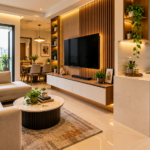
4. Living Room Interior Design Cost
The living room is often the first space visitors see, making it an important part of your home’s overall design.
A functional living room should provide comfortable seating, suitable lighting and enough space for movement. Decorative features should complement these essentials rather than make the room difficult to use.
Depending on your requirements, living room interiors may include:
- Sofa and centre table
- TV unit and storage cabinets
- Feature walls or wall panelling
- False ceiling and lighting
- Curtains and blinds
- Display shelves
- Decorative furniture and accessories
A minimalist living room with a simple TV unit may be more economical than a design featuring extensive wall panelling, customised cabinetry and elaborate ceiling details.
One effective way to manage your budget is to select one focal feature, such as a TV wall or statement light, and keep the remaining elements relatively simple.
This approach creates a cohesive appearance without requiring decorative treatments throughout the entire room.
5. False Ceiling and Lighting Costs
False ceilings can improve the appearance of a room and provide opportunities to integrate lighting. However, they are not essential in every space.
The cost depends on the ceiling design, materials, room dimensions, lighting requirements and installation complexity.
Simple ceiling designs are often easier to maintain than elaborate structures with multiple levels and decorative elements.
Lighting should also be planned according to the purpose of each room.
For example, bedrooms benefit from comfortable ambient lighting, while kitchens require clear illumination over work surfaces. Living rooms may combine general lighting with accent lights to highlight selected design features.
Before installing a false ceiling, consider the existing ceiling height, ventilation and access requirements for electrical maintenance.
A well-planned lighting scheme can make a home feel more comfortable without requiring unnecessarily complicated ceiling designs.
6. Bathroom and Utility Area Costs
Bathrooms and utility areas are sometimes overlooked during the initial budgeting process. However, these spaces may require additional expenditure depending on the existing condition of the property.
Bathroom work can include vanity units, mirrors, storage cabinets, lighting, sanitary fittings and changes to plumbing or waterproofing.
Utility areas may require cabinets for cleaning products, laundry equipment and household essentials.
If your home needs plumbing modifications, waterproofing repairs or extensive tiling work, these costs should be considered separately from standard furniture and interior finishing.
For existing homes, inspect the condition of the plumbing, electrical connections and waterproofing before finalising the design.
Addressing essential repairs early can help prevent unexpected expenses later in the project.
7. How to Plan Your Home Interior Budget
A clear budget helps you prioritise essential requirements and avoid unnecessary spending.
Before approaching an interior design company, prepare a list of the rooms you want to design and the features you consider important.
Use the following steps to organise your budget.
Step 1: Define the Scope of Work
Decide whether you need complete home interiors or only selected areas such as the kitchen, bedrooms and wardrobes.
Clearly defining the scope makes it easier to compare quotations.
Step 2: Prioritise Essential Features
Focus on functional requirements first, including storage, kitchen cabinets, wardrobes, electrical work and necessary repairs.
Decorative elements can be added once the essential requirements are covered.
Step 3: Choose Materials Carefully
Different materials offer different combinations of durability, appearance and price.
Compare specifications rather than selecting products based on appearance alone. Ask about maintenance requirements, warranties and suitability for your home.
Step 4: Request an Itemised Quotation
Ask your interior designer to provide a clear breakdown of the proposed work.
The quotation should identify the materials, furniture, finishes, installation charges and exclusions wherever applicable.
Step 5: Keep a Contingency Fund
Unexpected requirements may arise during renovation, particularly in older properties.
Keeping some money aside for unforeseen expenses can help you manage changes without disrupting the entire project.
Good budgeting is not simply about choosing the cheapest materials. It is about spending wisely on the features that matter most to your household.
8. How to Reduce Home Interior Design Costs Without Compromising Quality
Creating an attractive home does not mean every room needs expensive finishes or customised furniture.
A few practical decisions can help you manage the overall cost.
Choose a simple design: Clean lines and uncomplicated layouts can reduce unnecessary complexity.
Use standard dimensions where possible: Standard cabinet and furniture dimensions may simplify manufacturing and installation.
Prioritise storage: Plan cabinets and wardrobes around your actual needs instead of adding storage units without a clear purpose.
Mix materials thoughtfully: You can combine economical finishes with selected premium elements to create a balanced appearance.
Avoid frequent design changes: Changes after manufacturing or installation begins can increase costs and cause delays.
Plan electrical points early: Coordinating lighting and appliance positions during the design stage can reduce avoidable modifications.
Invest in frequently used components: Kitchen hardware, wardrobe fittings and other frequently operated elements deserve careful consideration.
The objective is to create a home that works well for your family, not to spend the maximum amount on every room.
9. Why Choose Professional Home Interior Design Services?
Planning a complete home interior involves more than selecting furniture and colours. It requires coordination between space planning, material selection, storage design, lighting, installation and other technical requirements.
Professional interior designers can help translate your ideas into a practical plan that suits your property and budget.
Working with an experienced team can offer several advantages.
Better Space Planning
A designer can help identify opportunities to improve movement, storage and furniture placement.
Coordinated Design
Using a consistent design approach across different rooms can create a more harmonious home.
Material Guidance
Professional guidance can help you compare available materials and understand their suitability for different applications.
Budget Management
A clearly defined scope of work and detailed quotation make it easier to prioritise expenses and evaluate alternatives.
Project Coordination
Depending on the agreed scope, an interior design team may coordinate different stages of the project, helping keep the design and installation process organised.
If you are planning a new home or renovating your existing property, Fusion Maple can be a starting point for exploring interior design solutions suited to your requirements.
Visit the Fusion Maple website to explore its services and learn more about its approach to home interiors.
10. Questions to Ask Before Hiring an Interior Designer in Kolkata
Before choosing an interior designer, ask questions that clarify the scope, costs and project expectations.
Consider asking:
- What services are included in the quotation?
- Which materials and hardware will be used?
- Are appliances, lighting and civil work included?
- What is the expected project timeline?
- Are installation and transportation charges included?
- What warranties are provided for materials and fittings?
- How are design changes handled?
- What after-sales support is available?
It is also helpful to review previous projects, understand the payment schedule and ensure that the final design reflects your requirements.
Taking time to compare your options can help you make a more informed decision.
Final Thoughts
Understanding the home interior design cost in Kolkata is an important step towards creating a home that reflects your personality and supports your everyday life.
From modular kitchens and bedroom wardrobes to living room furniture and lighting, every element contributes to the overall experience of your home.
The final cost depends on your property’s size, the materials you select, the level of customisation and the services included in the project. By setting priorities, comparing detailed quotations and planning each room carefully, you can make better use of your budget.
Whether you are furnishing a new apartment or renovating an existing house, focus on practical layouts, durable materials and designs that suit your lifestyle.
With thoughtful planning and professional guidance, you can create a home that combines comfort, functionality and visual appeal.
Planning your dream home in Kolkata? Explore Fusion Maple to learn more about interior design solutions and take the next step towards creating a home that feels uniquely yours.